
RBI June 2026 MPC Outcome:
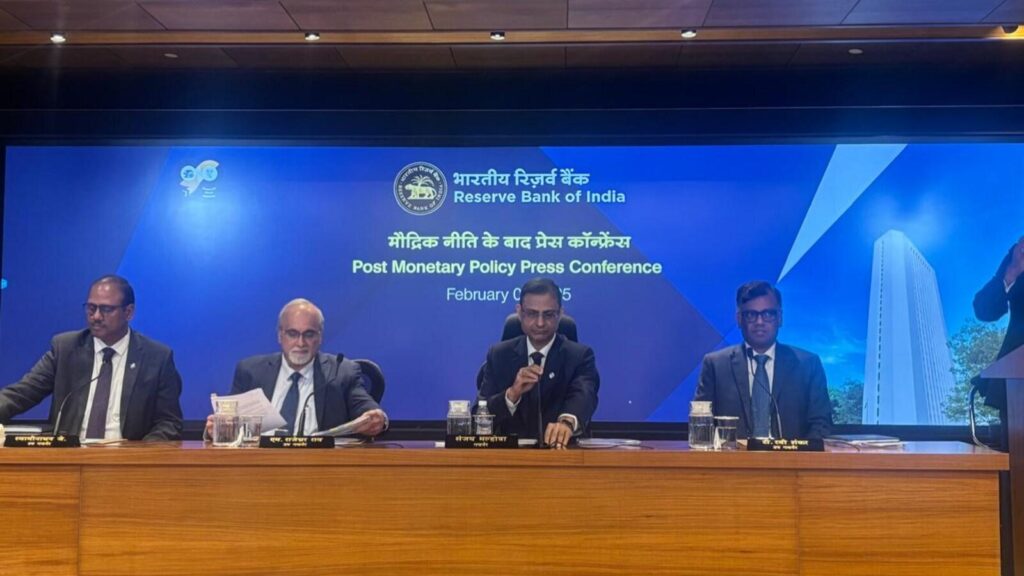
Again this time also The Reserve Bank of India (RBI) decided to keep the repo rate unchanged at 5.5% in its June 2026 Monetary Policy Committee (MPC) meeting. While the decision itself did not surprise the market, the policy offered valuable insights into how the RBI is analysing inflation, growth and global risks.
From last few weeks, there had been speculation regarding whether RBI will give another rate cut after reducing rates earlier this year. However, considering the uncertainty regarding crude oil prices, geopolitical tensions and inflation, unchanged repo rate was expected by many peoples.
In my view, investors were focusing too much on the possibility of another 25 basis point rate cut and too little on the broader message coming from the central bank. The real takeaway from this policy was RBI’s preference for stability at a time when the global economic environment remains uncertain.
Why RBI Did Not Change Repo Rate ?
The RBI is currently walking a fine line between supporting growth and controlling inflation.
Crude oil prices have remained volatile due to geopolitical developments in the Middle East between US-Iran. For a country like India, which imports a major portion of its energy requirements, rising oil prices can quickly translate into inflationary pressures.
At the same time, the Indian rupee got weaker against the US dollar. Further rate cuts could have weakened the currency further and increased imported inflation.
The central bank has already reduced rates two times in 2026. Monetary policy typically takes time to work its way through the economy. Hence it is justifiable reason for policymakers to wait and assess the impact of previous actions before considering further easing.
From a policy perspective, maintaining the current rate allows RBI to gather more economic data while preserving flexibility for future decisions.
What the Decision Means for Borrowers
For existing home loan borrowers, the latest announcement does not result in any immediate change in EMIs.
But borrowers are already benefiting from the rate reductions announced earlier in the year. Lending rates have moderated across much of the banking system, making borrowing more affordable than it was during the higher-rate environment of recent years.
For prospective homebuyers, the current situation will be beneficial for them. Since Current Interest costs are lower than they were a year ago, and also there is a possibility of additional policy support if inflation remains under control.
That said, I would caution against making property decisions solely based on expectations of future rate cuts. Factors such as income stability, property valuation and long term affordability remain far more important.
Impact on Fixed Deposit Investors
The unchanged repo rate is relatively positive for fixed deposit investors.
Whenever interest rates fall, deposit rates generally follow. By keeping the repo rate unchanged, RBI has effectively given savers a temporary reprieve.
Investors looking for predictable income may consider locking in current deposit rates, particularly if they believe the interest rate cycle has further room to soften over the next year.
Senior citizens, who often depend on fixed-income investments for regular cash flow, are likely to welcome the stability in deposit rates.
Market Reaction
Interestingly, the market reaction to the policy was fairly muted.
The reason is simple, the outcome regarding no change in repo rate was already expected. Now a days in current modern financial markets, it is not the announcement itself that moves prices but the difference between expectations and reality.
What investors were really analysing was RBI’s commentary on inflation, growth and future policy direction.
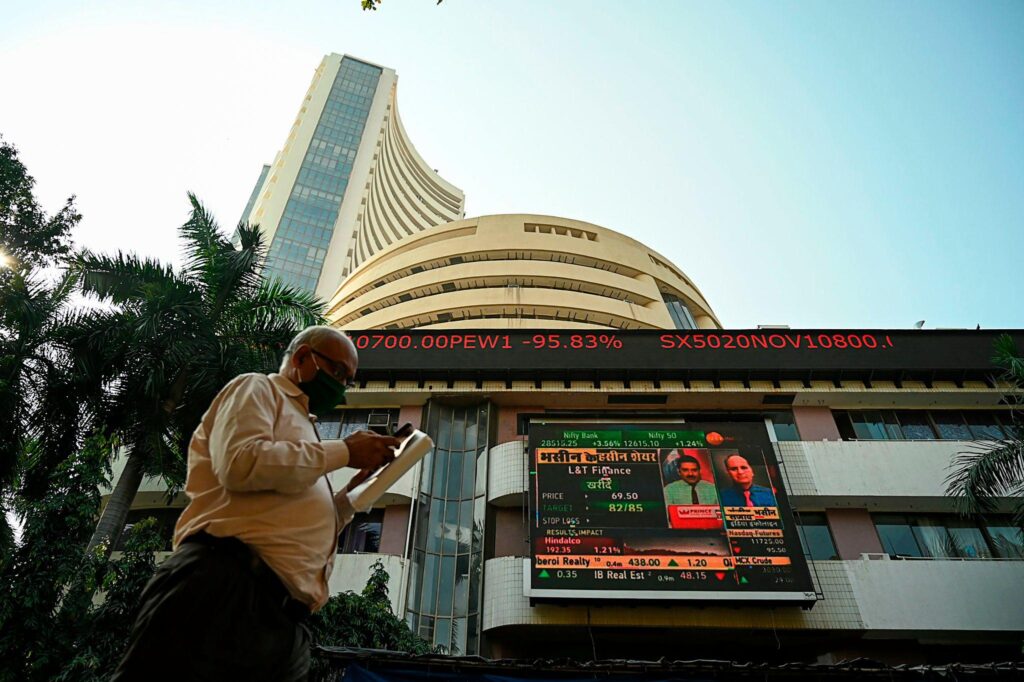
In my view, the market’s focus has gradually shifted from “Will RBI cut rates today?” to “Has the rate-cut cycle already peaked?” The answer to that question will likely depend on inflation trends over the next few months.
Banking, Real Estate and Auto Sectors Remain in Focus
Rate-sensitive sectors continue to attract investor attention.
Banking stocks generally benefit from improving credit growth and healthy loan demand. Real estate companies tend to gain when housing finance becomes more affordable. Automobile manufacturers also benefit when consumers find vehicle loans easier to service.
Although the June policy did not give banking, real estate and auto stocks a new reason to rally, their long-term prospects remain largely unchanged. Investors would be better served focusing on company earnings, business quality and valuations rather than reacting to a single RBI policy announcement.
The Growing Strength of Domestic Investors
One of the most interesting developments in Indian markets over the past few years has been the growing influence of domestic investors.
There was a time when sustained foreign institutional investor (FII) selling would trigger significant anxiety in the market. Today, the situation looks very different.
Strong SIP inflows, growing retail participation and consistent buying by domestic institutional investors (DIIs) have created a much stronger foundation for Indian equities.
Personally, I believe ta this structural shift is one of the most important long term changes taking place in Indian capital markets. The increasing ability of domestic money to absorb foreign selling pressure reflects the growing maturity of the Indian investment ecosystem.
Risk Investor Sould not Ignore
Most economists currently expect RBI to maintain a supportive stance towards growth.
But there is another side to the argument.
If crude oil prices remain high in future also or inflation begins to accelerate again, RBI may have limited room to reduce rates further. Markets often become overly optimistic about future policy easing, and investors should be careful not to assume that additional rate cuts are guaranteed.
This is precisely why inflation data, oil prices and currency stability will remain critical variables over the coming months.
What Investors Should Watch Next
Instead of obsessing over the next MPC meeting, investors should focus on the indicators that actually influence RBI’s decisions:
- Consumer inflation trends
- Crude oil prices
- Monsoon performance
- GDP growth data
- Global central bank policies
- Rupee movement against the US dollar
These factors will provide a much clearer indication of the future interest-rate trajectory than market speculation.
Final Thoughts
If I had to summarise the June 2026 policy in one sentence, it would be “RBI is choosing patience over aggression.”
The RBI appears comfortable allowing previous rate cuts to work through the economy meanwhile carefully monitoring inflation risks and global developments also.
For long term investors like me, this should not be considered as negatively. Since stable inflation, predictable policy decisions and steady economic growth often create a healthy environment for wealth creation than frequent policy changes.
The June policy may not have delivered a headline-grabbing rate cut, but it did reinforce an important message: India’s economic fundamentals remain resilient, and our policymakers are prioritising stability at a time when much of the world continues to face uncertainty.